Code Lovelolablog: A Complete Guide to Understanding the Keyword, Its Purpose, and What Readers Should Know

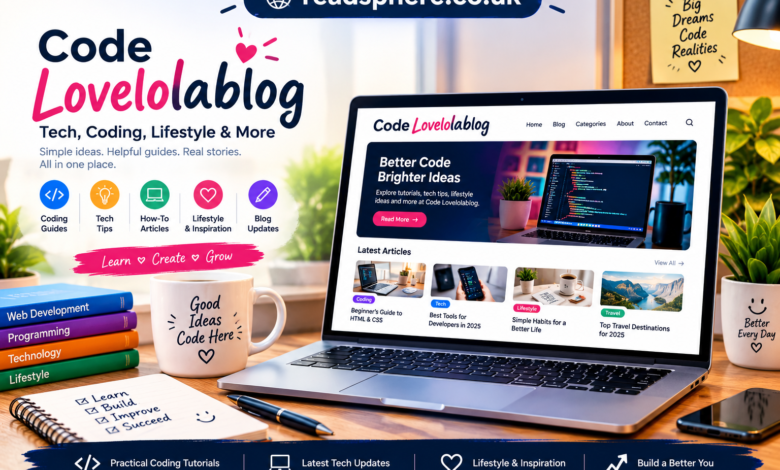
The keyword code lovelolablog may attract readers who are looking for a specific blog, coding-related content, a digital resource, or information about a platform associated with the name Lovelolablog. However, understanding the exact meaning of an unfamiliar keyword is important before assuming what a website offers or how a particular service works.
For readers, the main questions are straightforward: What does code lovelolablog mean? Is it connected to programming, blogging, or an online resource? How can someone find the right information, and what should they consider before trusting an unfamiliar website? Answering these questions requires a practical approach that separates what the keyword suggests from what can actually be verified.
This guide explores the possible meaning of code lovelolablog, its relevance to online searches, the relationship between coding and blogging, and the steps readers can take to evaluate related websites. It also covers useful tips for beginners, online safety considerations, and frequently asked questions to help readers understand the topic without relying on unsupported claims.
Table of Contents
- What Does Code Lovelolablog Mean?
- Why Are People Searching for Code Lovelolablog?
- Understanding the Connection Between Coding and Blogging
- What Information Should Readers Look For?
- Potential Benefits of Coding and Blogging Resources
- How to Evaluate a Website Related to Code Lovelolablog
- Practical Tips for Beginners
- Frequently Asked Questions
- Conclusion
What Does Code Lovelolablog Mean?
The phrase code lovelolablog combines the word “code” with the name “Lovelolablog.” The word code commonly refers to instructions written in a programming language, while a blog is a website or online publication that shares articles, tutorials, opinions, or other information. Lovelolablog appears to function as a distinctive name within the keyword, but its exact identity and purpose cannot be established from the phrase alone.
This distinction matters because search keywords do not always provide a complete description of the websites or services they reference. A phrase might be a website name, a page title, a search query used by a small audience, or a combination of words entered by someone looking for a particular resource. Without a verified website or reliable source, it would be inaccurate to claim that code lovelolablog represents a specific coding platform, software product, or established publication.
Readers can approach the keyword as a starting point for research. The most useful next step is to identify whether it leads to an official website, an article, a code repository, or another online destination. Once the destination is known, its content and purpose can be evaluated more confidently.
Why the Exact Meaning Matters
Understanding the intended meaning helps prevent confusion between similarly named websites and unrelated services. For example, a coding blog might publish programming tutorials, while a personal blog might discuss website customization without offering formal coding lessons. Both could be associated with coding-related search terms, but their audiences and purposes would differ.
The same principle applies to the word “code.” Depending on the context, it may refer to source code, discount codes, website snippets, software instructions, or even a reference used to locate a particular page. The surrounding content is necessary to determine which interpretation is appropriate.
For that reason, the safest explanation of code lovelolablog is that it is a specific search phrase whose precise referent needs verification. This approach gives readers a useful foundation without presenting assumptions as established facts.
Why Are People Searching for Code Lovelolablog?
People search for unfamiliar terms for several reasons. They may have encountered a name on another website, received a recommendation, seen a reference in a discussion, or remembered part of a web address. In other cases, a search phrase develops because users want to locate a particular article or resource quickly.
The keyword code lovelolablog may reflect navigational search intent, meaning that a searcher wants to find a particular destination rather than learn about a broad subject. It could also reflect informational intent if the person wants an explanation of the phrase or the content associated with it. These are possible interpretations, not confirmed details about the keyword’s actual search audience.
Recognizing search intent is useful because it helps readers choose the right research method. Someone looking for an official website should prioritize identifying the correct domain. Someone looking for programming guidance should examine the quality and relevance of the tutorials they find. Someone researching whether a site is legitimate should focus on transparency, security, and independent evidence.
Understanding Search Intent
Search intent generally falls into four useful categories:
- Navigational intent: The user wants to reach a particular website or online page.
- Informational intent: The user wants an explanation, answer, or tutorial.
- Transactional intent: The user wants to purchase something, subscribe to a service, or complete another action.
- Commercial investigation: The user wants to compare options before deciding which product or service to use.
The phrase code lovelolablog could fit more than one category, depending on the searcher’s goal. A clear understanding of intent makes it easier to avoid irrelevant results and identify useful information.
It is also important not to confuse the existence of a search phrase with evidence of popularity. A keyword may be specific or unfamiliar without having substantial search demand. Reliable keyword research tools can help estimate search volume and competition, but those measurements should be checked rather than guessed.
Understanding the Connection Between Coding and Blogging
Coding and blogging often work together to create websites that are functional, attractive, and easy to navigate. A blog provides the content, while code can control how that content appears and behaves. For example, HTML defines the structure of a page, CSS controls its appearance, and JavaScript can add interactive features.
However, the keyword code lovelolablog should not automatically be interpreted as the name of a programming tool. Search phrases containing similar terms can refer to different subjects, including programming guidance, blog customization, lifestyle content, and promotional codes. This variation makes it important to examine the specific page a search leads to before deciding what the term means.
Common Types of Website Code
People interested in blog development may encounter several types of code. Understanding their basic purposes helps readers identify whether a resource is relevant to their needs.
- HTML: Provides the structure of web pages, including headings, paragraphs, links, and forms.
- CSS: Controls visual elements such as colors, spacing, fonts, and responsive layouts.
- JavaScript: Adds interactive behavior, including menu controls, form validation, and dynamic page elements.
- PHP and other server-side languages: Can support functions such as processing forms, managing sessions, and retrieving information from databases.
These technologies serve different purposes, and beginners do not need to master them all at once. Someone who wants to change a blog’s colors might start with CSS, while a person building a new page could begin with HTML.
The most valuable coding resources explain what each example does, where it belongs, and how to test it safely. Copying code without understanding its function can introduce errors or create unexpected behavior.
What Information Should Readers Look For?
When exploring code lovelolablog, the first priority should be identifying the exact page or website connected to the search. Similar names can lead to different destinations, and an article about programming may have little in common with a page discussing shopping promotions or general lifestyle topics.
Readers should examine the page title, introduction, main headings, and examples to determine its subject. If a page claims to provide coding instructions, it should ideally include relevant explanations or working examples. If it discusses discount codes, it should explain how the offers work and whether their conditions have been verified.
A useful resource should answer the question that brought the reader to the page. Content that repeats a keyword without explaining it offers limited practical value, regardless of how prominently it appears in search results.
Check the Content Before Taking Action
Before using a code snippet, verify that it comes from a source you have reason to trust. Read the instructions, check which programming language is involved, and determine whether the example is compatible with your website platform.
If the keyword leads to promotional information instead, look for the code’s intended use, eligibility requirements, expiration date, and any restrictions. Never assume that a code is active simply because an article describes it as exclusive or popular.
Finally, pay attention to transparency. A website that provides clear contact details, explains its purpose, and distinguishes factual information from promotional claims gives readers more useful information for making an informed decision.
Potential Benefits of Coding and Blogging Resources
Reliable coding resources can help beginners learn technical concepts at a manageable pace. Instead of trying to understand an entire programming language immediately, readers can work through small examples, test them, and gradually build more complex projects.
Blogging resources can also help people understand website organization, content presentation, and the relationship between design and usability. These skills are useful for personal blogs, educational websites, portfolios, and small business publications. A well-designed website can make information easier to find and improve the reading experience.
The benefits depend on the quality and relevance of the material. The keyword code lovelolablog alone does not establish that a particular resource provides these advantages. Readers should assess the actual content before relying on it for learning or development.
Benefits for Different Audiences
- Beginners: Clear explanations and simple examples can make unfamiliar technical concepts easier to understand.
- Blog owners: Practical guidance can help with layout changes, navigation, and website maintenance.
- Content creators: Learning basic web technologies can provide more control over how articles are presented.
- Online shoppers: If a relevant result concerns promotional codes, checking the terms may help them evaluate potential savings.
- Researchers: Comparing multiple sources can reveal whether a keyword refers to one specific resource or several unrelated topics.
A useful resource should also encourage independent learning. Rather than simply providing instructions to copy, it should explain the reasoning behind them and help readers recognize when a different solution may be appropriate.
How to Evaluate a Website Related to Code Lovelolablog
A website’s name and appearance are not enough to establish its reliability. Readers should evaluate the available evidence, especially when a page asks them to download files, enter personal information, install software, or use a promotional offer.
Start by checking the website address carefully. Look for spelling differences, unexpected redirects, and pages that imitate another service. An HTTPS connection helps protect information transmitted between a browser and a website, but it does not guarantee that the website’s claims are accurate or that its operator is trustworthy.
Next, examine the content itself. Technical instructions should be understandable and consistent with established practices. Claims about a website’s ownership, popularity, security, or performance should be supported by credible evidence rather than promotional wording alone.
Essential Safety Precautions
Use these practices when exploring unfamiliar online resources:
- Avoid entering passwords or payment details unless the website’s identity and purpose are clear.
- Do not run unknown scripts or install files simply because an article recommends them.
- Review code before adding it to a live website, particularly if it requests access to sensitive information.
- Back up your website before making significant technical changes.
- Compare important claims with official documentation or other reliable sources.
Trustworthiness is best judged through evidence, transparency, and responsible practices. No single feature can prove that a website is entirely safe, so readers should consider the overall context before taking action.
Practical Tips for Beginners
If your interest in code lovelolablog comes from learning web development, begin by identifying a specific goal. You might want to customize an existing blog, create a personal website, understand a programming example, or learn how web pages work. A clear objective makes it easier to choose appropriate learning materials.
For website customization, start with basic HTML and CSS. Create a simple page, change its headings and colors, and observe the results. Once you understand the basics, explore JavaScript if you want to add interactive features. Test changes on a development copy rather than experimenting directly on an important live website.
If your interest is instead related to a promotional code or a particular Lovelolablog page, focus on verifying the destination and the information it provides. The correct approach depends on the actual search result, not just the wording of the keyword.
Build a Consistent Learning Routine
Short, regular practice sessions can be more manageable than attempting to learn everything in one sitting. Choose one concept, try a small example, and record what you learned. When an example fails, examine the error message and compare your work with reliable documentation.
Keep track of where code comes from and check the applicable license before reusing it in a public or commercial project. This habit encourages responsible development and makes it easier to troubleshoot problems later.
Most importantly, treat online articles as learning aids rather than unquestionable authorities. Verify important instructions, test changes carefully, and continue developing your understanding through practical experience.
Frequently Asked Questions
1. What is code lovelolablog?
Code lovelolablog is a search phrase associated with online content using the Lovelolablog name. Its exact meaning depends on the specific page being referenced, and the phrase alone does not establish the identity or purpose of a particular website.
2. Is code lovelolablog a programming language?
There is no verified evidence from the keyword alone that code lovelolablog is a programming language. Established web technologies include HTML, CSS, and JavaScript. Check the specific resource to determine whether it teaches or uses any of these technologies.
3. Can beginners use code lovelolablog resources?
Beginners may find relevant material if a page provides clear explanations, practical examples, and instructions appropriate to their skill level. Start with simple tasks, verify the source, and avoid running unfamiliar code without understanding what it does.
4. How can I determine whether a Lovelolablog website is trustworthy?
Check the domain, Code Lovelolablog inspect the site’s content and contact information, look for independent evidence supporting its claims, and review any requested permissions carefully. HTTPS is useful but does not independently establish trustworthiness. Avoid sharing sensitive information with an unverified website.
5. Does code lovelolablog provide discount codes or website code snippets?
Similar search phrases can appear in content discussing both promotional offers and technical website customization. However, the availability of specific discount codes or usable code snippets must be confirmed on the relevant page. Do not assume an offer is active or a code is safe without checking it.
Conclusion
Code lovelolablog is a keyword that requires context before its precise meaning can be established. It may lead to coding tutorials, blog customization advice, promotional information, or other online content, so treating every result as part of one verified platform would be misleading.
The best way to explore the topic is to identify the exact website or page, examine its purpose, and evaluate the reliability of its information. Readers interested in coding should prioritize clear explanations and safe, practical examples. Those looking for promotional offers should verify the terms and validity before using them.
Ultimately, a useful search result should do more than repeat the phrase code lovelolablog. It should provide accurate information, address the reader’s actual question, and offer enough context to support an informed next step.