Ski Socks The Expert’s Guide to Comfort, Warmth, and Performance on the Slopes

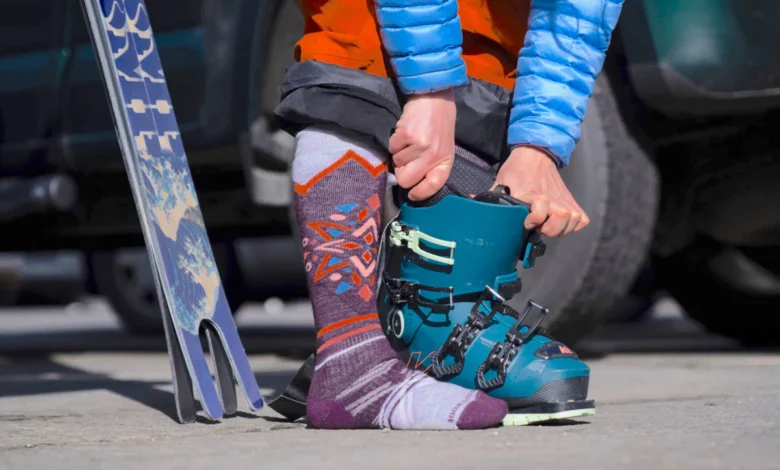
Introduction to ski socks
If you’re serious about winter sports, you already know that every detail of your gear matters. From the stiffness of your boots to the layering of your clothing, each component influences your performance and comfort. Yet one item that often gets overlooked is ski socks. They may seem like a small detail, but the right pair can completely transform your experience — while the wrong pair can lead to discomfort, cold feet, or even blisters.
This guide takes a deep dive into ski socks — what they are, how they work, what materials and designs matter, and how to choose the perfect pair for your needs. Written in a relaxed yet professional tone, it’s meant to give you practical knowledge while making the subject approachable. Whether you’re preparing for your first trip to Alps or planning a seasoned adventure in Aspen, understanding ski socks is a step toward maximizing your time on the snow.
Let’s get started.
Understanding Ski Socks and Why They Matter
Ski socks are not simply thicker versions of everyday socks. They are purpose-built garments engineered to work inside ski boots, providing insulation, moisture management, and cushioning in high-impact areas. Ski boots are designed to fit tightly, so the sock must complement this precision rather than disrupt it. Ordinary cotton socks can bunch up, retain moisture, and cause friction — all issues that dedicated ski socks are designed to prevent.
The primary role of ski socks is to maintain foot health and comfort during long hours in cold environments. Skiers face unique challenges, including constant pressure from boots, fluctuating temperatures, and physical exertion that causes sweating even in freezing conditions. A quality ski sock manages these factors by keeping feet warm while allowing moisture to escape, thereby reducing the risk of frostbite and blisters.
Beyond comfort, ski socks also impact performance. Stable footing inside your boots improves control and responsiveness on the slopes. Subtle features like compression zones and anatomical shaping contribute to better circulation and muscle support, which can reduce fatigue. Over time, many experienced skiers come to view socks not as accessories but as essential performance gear.
The Evolution of Ski Socks in Modern Winter Sports
The concept of specialized ski socks emerged alongside the growth of recreational skiing in the 20th century. Early enthusiasts often relied on heavy wool socks, which provided warmth but lacked precision fit and moisture management. As skiing gained popularity through sporting events such as the Winter Olympics, equipment innovation accelerated, and socks began to evolve alongside boots and apparel.
Modern ski socks are the result of advanced textile engineering. Synthetic fibers, merino wool blends, and ergonomic construction have replaced simple knitting techniques. Manufacturers now integrate features like targeted padding, mesh ventilation panels, and graduated compression. These innovations reflect a shift toward performance optimization rather than mere warmth.
Brands known for outdoor apparel innovation, including Smartwool and Darn Tough, have contributed significantly to these developments. Their focus on durability and comfort has influenced the industry’s standards. Today’s ski socks are lightweight yet insulating, supportive yet breathable — a far cry from their bulky predecessors.
Materials That Define Quality Ski Socks
One of the most important aspects of ski socks is material selection. The fibers used determine warmth, breathability, durability, and overall comfort. Among all options, merino wool stands out as a favorite. It offers natural temperature regulation, odor resistance, and moisture-wicking capabilities. Unlike traditional wool, it feels soft and non-itchy against the skin.
Synthetic materials also play a key role. Fibers such as nylon, polyester, and elastane add stretch, resilience, and structural integrity. These materials help socks retain their shape after repeated use and washing. Blended construction often delivers the best of both worlds — natural insulation combined with engineered durability.
Cotton, on the other hand, is widely discouraged in ski environments. It absorbs moisture and dries slowly, which can lead to discomfort and cold feet. Expert skiers understand that material choice directly affects performance, and they often invest in higher-quality socks because of the long-term benefits they provide in both comfort and reliability.
Design Features That Make a Difference
Beyond materials, design elements distinguish ski socks from regular socks. One of the most noticeable differences is height. Ski socks typically extend to just below the knee, ensuring coverage against boot friction and preventing exposed skin irritation. This length also helps maintain consistent warmth throughout the lower leg.
Padding placement is another critical factor. Strategic cushioning in areas such as the shin, heel, and toe reduces pressure and impact while maintaining sensitivity elsewhere. Too much padding can compromise boot fit, so high-quality socks balance protection with slim construction. Anatomical shaping — socks designed specifically for left and right feet — further enhances comfort and alignment.
Compression zones are increasingly common in premium ski socks. These features promote circulation and muscle support, which can reduce fatigue during long sessions on the slopes. Combined with seamless toe closures and ventilation panels, these thoughtful details demonstrate how design innovation contributes directly to skier satisfaction.
How to Choose the Right Ski Socks for Your Needs
Selecting the perfect ski socks involves considering multiple factors, including climate, activity level, and personal comfort preferences. Beginners often prioritize warmth, especially when skiing in colder regions. Thicker merino wool blends are well suited to these conditions, offering insulation without sacrificing breathability.
Experienced skiers may lean toward thinner performance socks that enhance boot responsiveness. These options allow for greater precision and control, particularly in competitive or technical environments. Understanding your priorities — warmth versus sensitivity — helps narrow down the selection.
Fit is equally important. Socks should feel snug but not restrictive, with no wrinkles or bunching inside the boot. Trying different sizes and styles is often necessary to find the best match. Ultimately, the ideal pair balances warmth, comfort, durability, and performance to suit your individual skiing style.
Caring for Your Ski Socks to Extend Their Lifespan
Proper maintenance ensures that ski socks remain effective and comfortable over time. Washing them according to manufacturer instructions preserves elasticity and fiber integrity. Typically, gentle cycles and mild detergents are recommended, while fabric softeners should be avoided because they can damage moisture-wicking properties.
Drying methods also matter. Air drying helps maintain shape and longevity, whereas high-heat tumble drying can weaken fibers. Skiers who invest in premium socks often adopt careful cleaning habits to maximize their return on investment.
Storage is another overlooked aspect of care. Keeping socks in a dry, ventilated space prevents odor buildup and mildew. By treating ski socks as technical gear rather than disposable clothing, you ensure consistent performance season after season.
Common Mistakes Skiers Make With Socks
One of the most frequent errors among newcomers is layering multiple socks for added warmth. While this might seem logical, it often creates pressure points and restricts circulation, resulting in colder feet. A single high-quality ski sock is almost always the better choice.
Another mistake involves selecting socks that are too thick for properly fitted boots. Ski boots rely on precise contact between foot and shell, and excessive bulk disrupts this connection. Experienced skiers recognize that sock thickness must complement boot fit, not compete with it.
Ignoring sock condition is also problematic. Worn-out socks lose elasticity and padding, increasing the risk of discomfort. Regularly evaluating and replacing aging pairs ensures optimal performance and safety on the slopes.
The Psychological Comfort of Proper Gear
Comfort on the slopes ski socks isn’t purely physical — it’s mental as well. Knowing that your equipment is reliable allows you to focus on technique and enjoyment rather than distraction. Something as seemingly minor as ski socks can influence your overall confidence and mindset during a session.
Preparedness fosters peace of mind. When your feet stay warm and blister-free, you’re more likely to extend your skiing time and push your limits. This psychological benefit underscores the importance of investing in thoughtful gear choices.
In many ways, ski socks represent the philosophy that excellence lies in details. Attentiveness to smaller aspects of preparation often distinguishes casual participation from a truly immersive winter sports experience.
Conclusion:
Ski socks may not attract the same excitement as skis or jackets, but their impact is undeniable. They bridge the gap between your body and one of the most critical pieces of equipment — your boots. By providing insulation, support, and comfort, they contribute directly to performance and enjoyment.
Understanding their materials, construction, and care empowers you to make informed decisions. Instead of treating them as an afterthought, consider them part of a holistic approach to skiing preparation. Your experience on the slopes becomes smoother, warmer, and more controlled as a result.
Ultimately, the right ski socks embody the principle that quality gear enhances every adventure. Whether you’re gliding down gentle beginner runs or tackling challenging terrain, investing attention in this small yet significant detail ensures that your time in the snow is both comfortable and memorable.