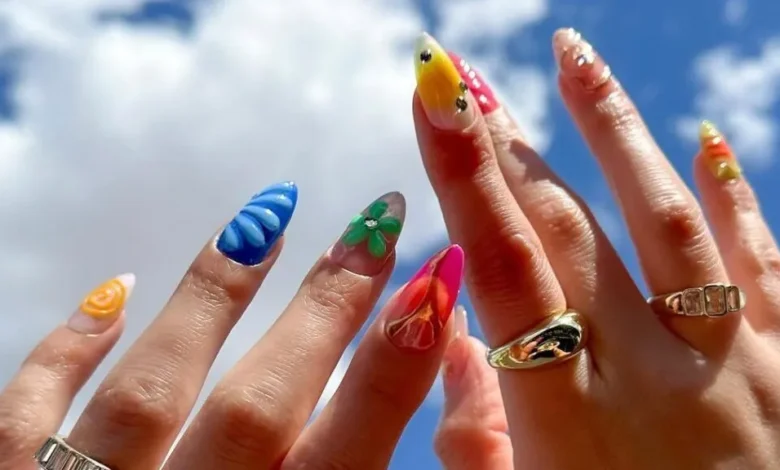
Introduction to Nail Designs:
Nail designs are more than just a beauty trend—they are a form of self-expression. From simple, minimalist styles to extravagant, artistic creations, the world of nail art allows individuals to communicate their personality, mood, and creativity without saying a word. Over the years, nail designs have evolved from basic single-color applications to intricate, visually stunning works of art that can rival paintings. This article explores the art, techniques, trends, and culture surrounding nail designs, giving you a comprehensive guide to everything you need to know.
The Evolution of Nail Designs
Nail designs have a rich history that spans centuries. Ancient civilizations, including the Egyptians and Chinese, used natural dyes and plant-based pigments to decorate nails. Egyptian queens, like Cleopatra, were known to use henna to color their nails, while in China, during the Ming dynasty, nail art symbolized social status, with intricate patterns and gold embellishments reserved for the elite.
Fast forward to the 20th century, nail designs became more accessible to the general public. The invention of nail polish in the early 1900s and the subsequent introduction of synthetic colors opened new possibilities for self-expression. By the 1980s, nail art exploded in popularity, influenced by pop culture, music, and fashion trends. Today, nail designs are a global phenomenon, embracing both modern technology, like gel and acrylic nails, and traditional artistry, like hand-painted patterns and embellishments.
The evolution of nail designs is also tied closely to societal trends. Minimalist nails gained popularity alongside modern fashion’s emphasis on simplicity, while bold, statement nails became synonymous with creative freedom. Nail designs now cater to every personality type and occasion, making them a versatile form of personal expression.
Types of Nail Designs
When it comes to nail designs, the possibilities are practically limitless. Understanding the different types of nail art can help you choose the style that fits your personality or occasion.
1. Minimalist Nail Designs
Minimalist nail designs focus on subtle elegance. These designs often use neutral colors, negative space, and simple geometric patterns. Despite their simplicity, they are highly stylish and appropriate for professional settings. Examples include a single dot on each nail, thin stripes, or tiny symbols.
2. French Manicure Variations
The classic French manicure is a timeless nail design. Traditionally, it features pale pink or nude nails with white tips. However, modern variations now incorporate colorful tips, glitter gradients, or asymmetrical lines. French manicures offer a sophisticated, clean look and can be easily customized for weddings, work, or casual outings.
3. 3D and Embellished Nail Designs
For those who want to make a statement, 3D nail art is a perfect choice. This style incorporates elements like rhinestones, pearls, studs, and even tiny charms. While they require more maintenance, 3D nail designs offer a bold and eye-catching aesthetic suitable for parties, fashion events, and photoshoots.
4. Thematic and Seasonal Designs
Nail designs can reflect seasons, holidays, or events. Think pastel flowers in spring, snowy patterns in winter, or spooky motifs for Halloween. Thematic designs allow creativity to shine and add a fun, playful element to personal style.
5. Abstract and Artistic Designs
Abstract nail art includes freeform patterns, splashes of color, marbling effects, and hand-painted mini artworks. This category is perfect for individuals looking to showcase artistic flair. Unlike strict geometric or pattern-based styles, abstract designs embrace imperfection and creativity, making each manicure unique.
Popular Techniques in Nail Art
Creating stunning nail designs requires mastery of various techniques. Nail artists use a combination of traditional and modern methods to achieve unique effects.
1. Nail Stamping
Nail stamping involves transferring intricate patterns from a metal plate onto nails using special nail polish and a stamping tool. This technique is perfect for achieving detailed designs without requiring advanced freehand skills.
2. Freehand Painting
Freehand painting is the most traditional and creative form of nail design. It allows complete artistic freedom and is commonly used for abstract designs, floral patterns, and custom artworks. Professional nail artists often use fine brushes and high-quality nail paints to achieve precision and detail.
3. Gel and Acrylic Art
Gel and acrylic nails offer a durable canvas for intricate designs. Gel nails are flexible and provide a glossy finish, while acrylics allow for sculpted shapes, extensions, and 3D designs. These materials enable nail artists to experiment with textures, layers, and embellishments that last longer than standard polish.
4. Ombre and Gradient Techniques
Ombre and gradient nail designs feature smooth transitions between colors. This technique is visually appealing and can be achieved using sponges, brushes, or airbrushing tools. Ombre nails can be subtle, with neutral tones, or dramatic, using bold colors for a high-impact look.
5. Foil and Glitter Application
Foil and glitter add shine and texture to nail designs. Foils can create metallic, holographic, or shattered glass effects, while glitter adds sparkle and dimension. Combining these techniques with gel or acrylic bases can result in stunning, long-lasting designs.
Trending Nail Designs for 2026
Nail design trends change constantly, influenced by fashion, pop culture, and social media platforms like Instagram and TikTok. Here are some of the hottest trends to watch in 2026:
1. Minimalist Lines and Geometric Shapes
Simple lines, triangles, and abstract geometric patterns are dominating nail art. These designs balance sophistication with creativity and are perfect for individuals who want elegance without over-the-top embellishments.
2. Metallic and Chrome Nails
Metallic shades and chrome finishes are gaining popularity. These nails give a futuristic, eye-catching look and pair well with edgy fashion. Chrome powders and metallic gels allow nail artists to create reflective, mirror-like surfaces.
3. Mixed Media and Layered Designs
Nail artists are experimenting with mixed media—combining textures, materials, and patterns. Layering glitter, foils, hand-painted designs, and 3D embellishments results in highly unique and personal nail art.
4. Nature-Inspired Designs
Floral motifs, leafy patterns, and even animal-inspired art are trending this year. Nature-inspired designs are often soft, pastel, and calming, making them perfect for spring and summer seasons.
5. Bold Colors and Neon Accents
Bright colors and neon accents are making a comeback, especially among younger audiences. Vibrant shades like neon pink, electric blue, and lime green add a playful, energetic vibe to manicures and stand out in photos.
Choosing the Right Nail Design for You
Selecting a nail design is a personal decision influenced by lifestyle, occasion, and personality. Here are some tips to help you make the best choice:
- Consider Your Lifestyle: If you work in a professional environment, subtle and neutral designs may be more appropriate, whereas 3D embellishments and bright colors are ideal for weekends or parties.
- Match Your Personality: Nail designs can reflect who you are. Minimalist designs suit those with a chic, understated style, while bold, vibrant nails express creativity and confidence.
- Think About the Occasion: Weddings, holidays, and special events often inspire specific nail designs. Coordinating your nails with your outfit or the event theme can create a polished, cohesive look.
- Maintenance Matters: Some nail designs, especially 3D or acrylics, require regular upkeep. Ensure you choose a design that fits your schedule and willingness to maintain it.
DIY vs. Professional Nail Art
In recent years, the rise of nail tutorials, online courses, and affordable nail kits has made DIY nail art more accessible than ever. However, professional nail artists bring experience, precision, and creativity that can elevate designs beyond what most amateurs can achieve.
DIY Nail Art
DIY nail art is ideal for beginners or those who enjoy experimenting at home. With basic tools like nail brushes, dotting tools, stamping plates, and gel pens, you can create impressive designs. You also have the freedom to try new trends without waiting for a salon appointment.
Professional Nail Art
Visiting a professional nail artist offers several advantages. Professionals can handle complex designs, sculpted nails, 3D embellishments, and intricate hand-painted details. Salons also provide high-quality products and techniques, ensuring durability and a polished finish. Many nail artists now specialize in unique, custom designs, making professional nail art a worthwhile investment for special occasions or fashion statements.
Caring for Your Nails After a Design
Beautiful nail designs deserve proper care to ensure longevity. Here are essential tips for maintaining your nails:
- Moisturize Regularly: Nails and cuticles need hydration to prevent cracking, peeling, or lifting of nail art. Use cuticle oils and hand creams daily.
- Avoid Harsh Chemicals: When cleaning or using chemicals, wear gloves to protect your nails and preserve the design.
- Use Top Coats: Applying a clear top coat every few days helps maintain shine and prevents chipping.
- Be Gentle: Avoid using nails as tools for opening packages or scraping surfaces, as this can damage the design and weaken the nails.
Nail Designs as a Form of Self-Expression
Nail designs are more than an aesthetic choice—they are a way to express individuality. Whether you prefer subtle elegance, bold statements, or intricate artistry, nails serve as a canvas for creativity. Social media has amplified this trend, with nail art communities inspiring millions worldwide. Sharing photos of your nails allows you to connect with others, inspire creativity, and even set new trends.
Nail designs also reflect cultural shifts and fashion movements. From minimalism to maximalism, holographic effects to nature-inspired art, nails evolve alongside the world around us. By choosing a design that resonates with your style, you communicate personality, confidence, and creativity without saying a word.
Conclusion
Nail designs have come a long way from their historical origins to today’s diverse and vibrant art forms. With endless options, techniques, and trends, there’s a nail design for everyone—whether you love minimalism, bold colors, 3D embellishments, or abstract art. Choosing the right design, maintaining your nails properly, and experimenting with trends allow you to turn your nails into a statement piece that reflects your style and personality.
In 2026, nail art continues to push boundaries, blending fashion, creativity, and self-expression. Whether you do it yourself or seek a professional touch, nail designs are a beautiful, artistic, and personal way to enhance your everyday style.