Fame MMA The Rise of Celebrity Combat Sports and Why It’s Redefining Modern Entertainment

Introduction to fame mma
Combat sports used to be simple.
Two trained athletes. Years of discipline. Rankings, belts, and slow climbs through the professional ladder.
Then something changed.
Suddenly, YouTubers were stepping into cages. Influencers were calling out rappers. TikTok stars were learning takedowns. Millions of young viewers who had never watched traditional mixed martial arts were suddenly buying pay-per-views like it was the Super Bowl.
Right at the center of this shift stands Fame MMA.
If you’ve ever wondered how a celebrity-driven fight promotion became one of Europe’s most talked-about sports entertainment brands, or how it consistently sells out arenas with people who aren’t even professional fighters, this deep dive will walk you through everything. We’re going to unpack the origins, the business strategy, the psychology, the controversies, and the future of Fame MMA — casually explained but from an expert lens.
Because make no mistake: this isn’t just internet chaos in a cage.
It’s a carefully built empire.
What Is Fame MMA? A Quick but Clear Breakdown
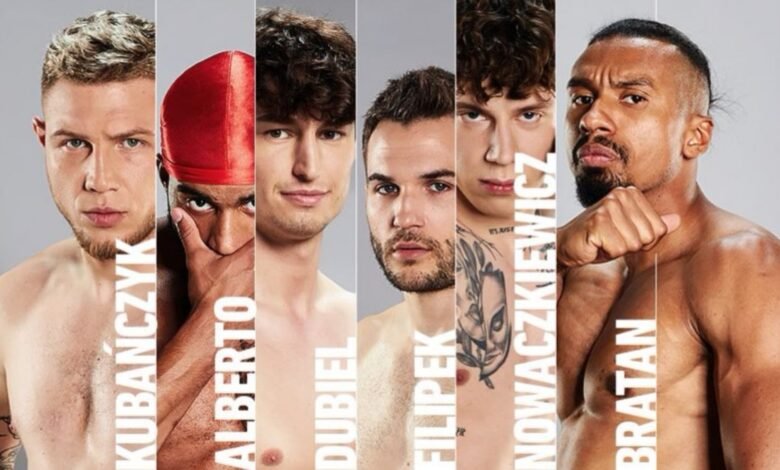
At its core, Fame MMA is a Polish-based mixed martial arts promotion that features celebrities, influencers, YouTubers, rappers, streamers, and internet personalities fighting each other inside an MMA cage.
But calling it “just celebrity fighting” seriously undersells it.
Fame MMA blends three worlds that traditionally didn’t mix:
- Combat sports
- Social media culture
- Reality-show style drama
The result feels less like a standard sporting event and more like a massive live spectacle.
Every fight card is loaded with storylines. Rivals argue online for weeks. Press conferences turn into viral moments. Trash talk spreads across TikTok, Instagram, and YouTube. By the time fight night arrives, millions of fans feel emotionally invested.
That emotional investment is exactly why it works.
Traditional MMA fans watch for technique and rankings. Fame MMA fans watch for personalities and drama. And honestly? The numbers prove the second group is huge.
The Origin Story: How Fame MMA Started and Grew
Like many modern entertainment revolutions, Fame MMA didn’t begin with a master plan to dominate an industry. It started as an experiment.
The founders noticed something simple: influencer boxing events were already gaining traction. Audiences loved watching familiar internet personalities settle their beef physically. So why not formalize it and turn it into a full promotion?
The first events were relatively small and somewhat chaotic. Production wasn’t perfect. The fighters weren’t polished. But the energy was undeniable.
People tuned in because:
- They recognized the names
- The drama felt real
- It was unpredictable
That unpredictability became the hook.
Unlike traditional MMA, where experienced fighters often produce technical but slow fights, Fame MMA bouts could swing wildly. You might see sloppy striking one minute and a shocking knockout the next. It felt raw and authentic, which ironically made it more entertaining for casual viewers.
As the events kept selling, investment grew. Production quality improved. Bigger arenas were booked. Professional coaches were hired. Suddenly, this “fun side project” became a serious business.
And once the money started flowing, there was no turning back.
Why Fame MMA Exploded in Popularity
A lot of people assume celebrity fighting is just a gimmick. But if it were only a gimmick, it would have faded after one or two events.
Instead, Fame MMA kept expanding.
So what’s the real reason it blew up?
1. Built-In Fanbases
Every influencer or rapper already brings their own audience.
Instead of building fighters from scratch, Fame MMA recruits personalities who already have:
- Millions of followers
- Loyal fans
- Existing rivalries
That means every fight automatically comes with built-in marketing.
If two influencers with 2 million followers each fight, the event instantly reaches 4+ million potential viewers without traditional advertising. That’s a dream scenario for any promoter.
2. Storytelling Over Skill
Hardcore MMA fans care about technique. Most casual viewers don’t.
They care about:
- Who insulted who
- Who’s more confident
- Who’s the villain
- Who’s the underdog
Fame MMA leans heavily into this.
Press conferences look more like reality TV episodes. Fighters argue, roast each other, and sometimes nearly fight before the actual fight. It’s drama-first entertainment, and that keeps people glued to their screens.
3. Social Media Integration
This is where Fame MMA truly outsmarts traditional promotions.
Instead of relying only on TV or pay-per-view ads, everything happens online:
- Callouts happen on Instagram
- Beef grows on Twitter
- Training clips drop on YouTube
- Memes spread on TikTok
By fight night, it feels like you’ve been following a story for months.
It’s not just an event. It’s an ongoing narrative.
The Business Model: How Fame MMA Makes Money
From the outside, it might look like organized chaos. But financially, Fame MMA is incredibly strategic.
Let’s break it down.
Pay-Per-View Sales
Their primary revenue stream comes from online PPV purchases. Fans pay to stream events live, similar to major boxing or UFC fights.
Because their audience is digital-native, online purchases feel natural. There’s no complicated cable setup — just click and watch.
Sponsorships
Brands love Fame MMA because:
- Viewers are young
- Engagement is high
- Events trend on social media
Sponsors get more than just logos on shorts. They get mentions in viral clips and memes, which multiplies exposure.
Ticket Sales
Live arenas often sell out fast.
Watching a Fame MMA event live feels like attending a concert or festival. The atmosphere is loud, chaotic, and energetic. Fans show up not only for fights but for the experience.
Merchandising
Influencer-driven events also boost merch sales. Fans buy:
- Fighter merch
- Event shirts
- Limited drops
It’s smart cross-branding between sports and influencer culture.
Are the Fighters Actually Trained? The Skill Debate
One common criticism is that Fame MMA fighters “can’t fight.”
That used to be partially true.
Early events featured people with almost no training. Some fights looked messy and amateurish. But as the promotion matured, things changed.
Now many participants train seriously for months with:
- Professional MMA coaches
- Strength trainers
- Nutritionists
Some even develop genuine skill.
Sure, they’re not world champions. But they’re no longer clueless celebrities swinging wildly. The overall quality has improved dramatically.
And here’s the truth: most viewers don’t need elite technique. They want entertaining fights.
If anything, slightly imperfect fighters often create more exciting moments than ultra-defensive professionals.
The Psychology Behind Why People Love Celebrity Fights
This part is fascinating.
Fame MMA taps into something deeply human.
When we watch trained professionals, there’s a distance. They feel superhuman. Hard to relate to.
But when we watch influencers or rappers fight?
They feel like us.
We think:
“I could probably do that.”
“What if I trained too?”
That relatability makes the experience more personal.
There’s also the drama factor. Watching two people who publicly argued for months finally settle things physically delivers emotional closure. It’s like the final episode of a reality show.
Psychologically, that’s incredibly satisfying.
Criticism and Controversy
Of course, Fame MMA isn’t universally loved.
Traditional MMA purists often criticize it for:
- Lower skill levels
- Over-the-top drama
- Turning combat sports into spectacle
Some argue it cheapens the sport.
Others worry about inexperienced fighters getting hurt.
These concerns aren’t baseless. Safety and professionalism must always come first.
But here’s the counterpoint: Fame MMA isn’t trying to replace traditional MMA. It’s a different product.
It’s sports entertainment.
Just like professional wrestling exists alongside Olympic wrestling, Fame MMA exists alongside elite MMA.
They serve different audiences.
And both can coexist.
How Fame MMA Changed European Combat Sports
Before Fame MMA, most combat sports promotions in Europe struggled to reach young audiences at scale.
Now?
Influencer fights routinely trend online.
Young fans who never cared about traditional sports suddenly watch fight cards.
Gyms report more beginners joining because they saw their favorite influencer training.
In a strange way, Fame MMA actually grows interest in real martial arts.
It acts as a gateway.
People come for the drama… then sometimes stay for the sport.
That’s powerful
The Future of Fame MMA
Where does this Fame MMA go next?
If current trends continue, expect:
- Bigger venues
- More international events
- Cross-border influencer fights
- Higher production quality
- Possibly global expansion
There’s even potential for collaboration with other entertainment formats like reality TV or streaming platforms.
The line between sport and entertainment keeps blurring, and Fame MMA sits perfectly at that intersection.
As long as social media remains dominant, celebrity combat sports will thrive.
Conclusion:
Honestly, it depends on what you value.
If you want pure technical mastery and elite competition, traditional promotions will always be superior.
But if you want excitement, chaos, storylines, and viral moments?
Fame MMA delivers that better than almost anyone.
It understands modern audiences.
It understands attention spans.
And most importantly, it understands that today’s sports fans don’t just watch — they participate, comment, share, and meme everything.
Fame MMA isn’t just a fight promotion.
It’s a cultural phenomenon built for the internet generation.