Indoor Rabbit Hutch The Complete Beginner-to-Expert Guide for Happy Indoor Bunnies

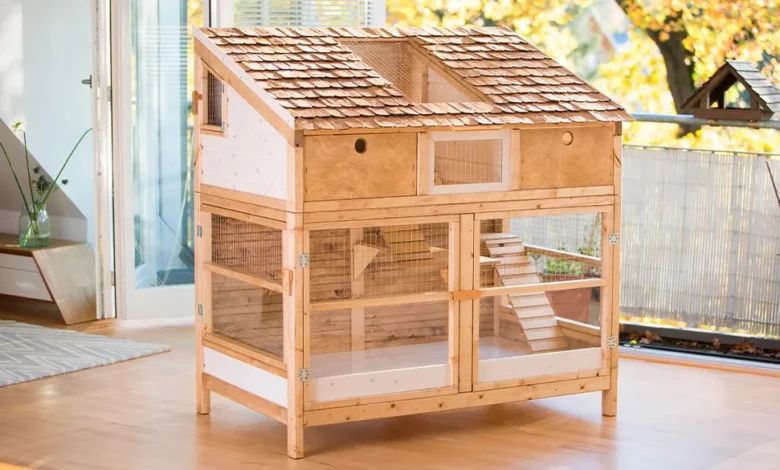
Introduction to indoor rabbit hutch
Bringing a rabbit into your home is a joyful experience. These gentle, curious animals quickly become part of the family. But to keep them happy and safe, they need the right living space. That’s where an indoor rabbit hutch comes in.
Many new rabbit owners think a simple cage is enough. In reality, rabbits need space, comfort, and a clean environment. A well-designed indoor setup can improve their health, mood, and lifespan. I’ve seen rabbits go from shy and nervous to playful and loving just by improving their living area.
In this guide, we’ll walk through everything you need to know. You’ll learn how to choose, set up, and maintain the perfect indoor rabbit hutch. Whether you are a beginner or already have a bunny, this guide will help you create a cozy home your rabbit will love.
What Is an Indoor Rabbit Hutch?
An indoor rabbit hutch is a safe and comfortable space designed for rabbits to live inside your home. It acts as their personal area where they can rest, eat, and feel secure.
Unlike outdoor hutches, indoor ones focus more on comfort and easy cleaning. They also blend better with your home decor. Most indoor hutches include a sleeping area, feeding space, and sometimes a small run or play zone.
Rabbits are social and active animals. So, the hutch should not be a place where they stay all day. Think of it more like their bedroom. They still need time outside to explore and exercise.
From personal experience, rabbits feel calmer when they have a defined space. It gives them a sense of security. A well-set indoor rabbit hutch helps reduce stress and makes bonding easier.
Why Your Rabbit Needs an Indoor Hutch
Some people wonder if a hutch is even necessary indoors. The answer is yes. Rabbits need a dedicated area where they feel safe and comfortable.
Without a proper setup, rabbits may chew furniture or hide in unsafe places. An indoor rabbit hutch gives them boundaries. It also helps you manage their routine better.
A good hutch protects your rabbit from household hazards. Wires, sharp edges, and small objects can be dangerous. Having a safe zone reduces risks.
I’ve noticed that rabbits with proper hutches are easier to train. They learn where to eat, sleep, and use the litter box. This makes your home cleaner and your life easier.
Choosing the Right Size for Your Indoor Rabbit Hutch
Size is one of the most important factors when choosing a hutch. Many hutches sold in stores are too small. Rabbits need space to stretch, hop, and stand fully.
A good rule is this: your rabbit should be able to take at least three hops in one direction. They should also stand on their hind legs without hitting the top.
If you have more than one rabbit, the space should be even larger. Rabbits love company and need room to interact.
When I upgraded to a larger indoor rabbit hutch for my pet, I saw an immediate change. He became more active and playful. Space truly affects their happiness.
Always go bigger if you can. It’s one of the best investments for your rabbit’s well-being.
Best Materials for Indoor Rabbit Hutches
The material of your indoor rabbit hutch matters a lot. It affects safety, durability, and ease of cleaning.
Wood is a popular choice. It looks nice and feels natural. But it can absorb urine and odors if not treated properly. Make sure it is sealed and safe for pets.
Metal hutches are strong and easy to clean. They are also harder for rabbits to chew. However, they may not look as cozy.
Plastic bases are common and practical. They are easy to wipe down and keep clean. Just ensure they are sturdy and not too slippery.
From experience, a mix of materials works best. A solid base with a metal frame often gives the best balance of comfort and durability.
Where to Place Your Indoor Rabbit Hutch
Location plays a big role in your rabbit’s comfort. Rabbits are sensitive to noise, temperature, and light.
Place the indoor rabbit hutch in a quiet area of your home. Avoid places with loud TV sounds or heavy foot traffic. Rabbits can get stressed easily.
Keep the hutch away from direct sunlight. Too much heat can harm your rabbit. At the same time, avoid cold drafts.
A corner of your living room often works well. It keeps your rabbit close to family activity while still giving them a calm space.
In my home, placing the hutch near a wall made my rabbit feel safer. He had fewer directions to watch and relaxed more.
Setting Up a Comfortable Interior
Inside the indoor rabbit hutch, comfort is key. Start with soft bedding. Hay is a great choice because rabbits can eat it and stay warm.
Add a litter box in one corner. Rabbits can be trained easily. Use rabbit-safe litter and keep it clean.
Include a hiding spot or small shelter. Rabbits like to have a place where they can retreat and feel safe.
Toys are also important. Chew toys, tunnels, and balls help keep them active and prevent boredom.
I always rotate toys every few days. This keeps things interesting and prevents my rabbit from losing interest.
Feeding and Water Setup
Your indoor rabbit hutch should have a proper feeding area. Always provide fresh hay. It should make up most of your rabbit’s diet.
Add a small bowl for pellets and fresh vegetables. Make sure it is stable and won’t tip over.
Water is essential. You can use a water bottle or a heavy bowl. Many rabbits prefer bowls because they are easier to drink from.
From my experience, placing food and water in separate areas keeps things cleaner. It also encourages natural movement.
Clean the feeding area daily. This helps prevent illness and keeps your rabbit happy.
Cleaning and Maintenance Tips
Keeping your indoor rabbit hutch clean is very important. A dirty space can lead to health problems and bad smells.
Clean the litter box every day. Replace bedding regularly. Wipe down surfaces to remove dirt and bacteria.
Do a deep clean once a week. Remove everything and sanitize the hutch. Make sure it is dry before putting your rabbit back.
I find that using simple cleaning routines makes things easier. It takes just a few minutes daily but makes a big difference.
A clean hutch keeps your rabbit healthy and your home fresh.
Indoor Rabbit Hutch vs Free Roaming
Some owners let their rabbits roam freely indoors. Others prefer using a hutch. Both options can work.
An indoor rabbit hutch gives structure and safety. It is especially useful when you are not home.
Free roaming gives rabbits more freedom. But it requires careful rabbit-proofing of your home.
A mix of both works best. Let your rabbit roam during the day. Use the hutch as a safe resting space.
That’s what I do, and it works perfectly. My rabbit enjoys freedom but still has a place to relax.
Common Mistakes to Avoid
Many rabbit owners make simple mistakes when setting up a hutch. One common mistake is choosing a hutch that is too small.
Another mistake is placing it in a noisy or hot area. This can stress your rabbit.
Some people forget to provide enough toys or enrichment. Bored rabbits can become destructive.
Poor cleaning habits are also a problem. A dirty hutch can lead to illness.
Learning from these mistakes can save you time and keep your rabbit happy.
DIY Indoor Rabbit Hutch Ideas
If you enjoy creative projects, you can build your own indoor rabbit hutch. DIY options can be cheaper and more customizable.
You can use storage cubes, wooden frames, or even old furniture. The key is to make it safe and spacious.
Add ramps, platforms, and tunnels for extra fun. Make sure there are no sharp edges or toxic materials.
I once built a simple hutch using cubes and zip ties. It worked great and gave me full control over the design.
DIY hutches are a great way to create a unique space for your rabbit.
How to Make Your Rabbit Feel at Home
Moving into a new hutch can be stressful for rabbits. Give them time to adjust.
Place familiar items inside the indoor rabbit hutch. This helps them feel safe.
Spend time near the hutch. Talk softly and let your rabbit get used to your presence.
Offer treats and gentle interaction. This builds trust and confidence.
In my experience, patience is key. Within a few days, most rabbits settle in and start exploring.
Signs Your Rabbit Loves Its Hutch
Happy rabbits show clear signs. They relax, stretch out, and groom themselves.
They may hop around and explore their indoor rabbit hutch. Some even do little jumps called “binkies.”
Eating well and using the litter box properly are also good signs.
If your rabbit spends time calmly resting, it means they feel safe.
Watching these behaviors is very rewarding. It shows that you have created a good home.
FAQs About Indoor Rabbit Hutch
1. How big should an indoor rabbit hutch be?
It should allow your rabbit to hop, stretch, and stand fully. Bigger is always better for comfort and health.
2. Can rabbits stay in a hutch all day?
No. Rabbits need daily exercise and social time outside the hutch to stay happy and healthy.
3. What bedding is best for indoor hutches?
Hay and paper-based bedding are great choices. They are safe, soft, and easy to clean.
4. How often should I clean the hutch?
Clean the litter box daily and do a deep clean weekly to maintain hygiene.
5. Is a cage the same as a hutch?
Not exactly. Hutches are usually larger and more comfortable, while cages are often too small.
6. Can I keep more than one rabbit in a hutch?
Yes, but make sure the space is large enough. Rabbits need room to move and interact.
Conclusion:
Creating the right indoor rabbit hutch is one of the best things you can do for your pet. It provides safety, comfort, and a sense of belonging.
A good hutch is not just a cage. It is a home where your rabbit can relax and feel secure. When combined with free roaming time, it creates a balanced and happy life.
Take your time when choosing and setting up the space. Pay attention to your rabbit’s needs and behavior. Small changes can make a big difference.
If you invest in a quality indoor rabbit hutch and care for it properly, your rabbit will reward you with love, energy, and joy every day.