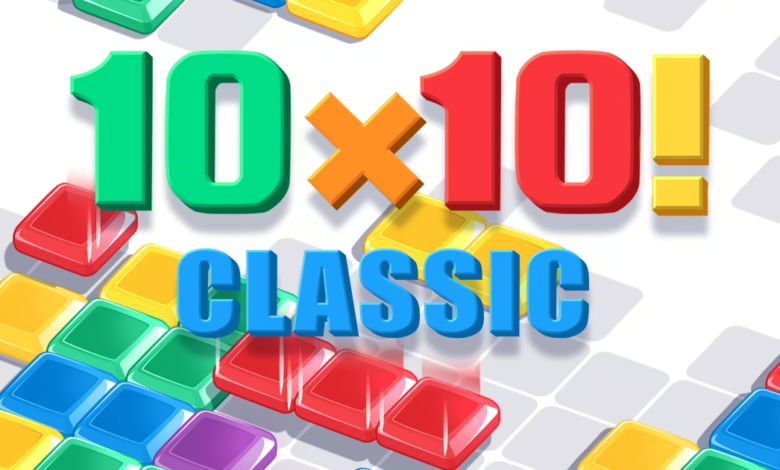
The world of puzzle games is vast, but few titles manage to strike the perfect balance between simplicity and depth like the 10×10 game. At first glance, it looks like a straightforward block puzzle played on a 10-by-10 grid. But once you dive in, you quickly realize there’s a surprising level of strategy, planning, and skill involved.
Whether you’re a casual gamer looking to kill time or someone who enjoys sharpening your brain with logic-based challenges, the 10×10 game has something for you. In this in-depth guide, we’ll explore everything you need to know—from how it works to advanced strategies, psychological benefits, and why it has become so addictive worldwide.
What is the 10×10 Game?
The 10×10 game is a grid-based puzzle game where players place different-shaped blocks onto a 10-by-10 board. The objective is simple: fill rows or columns completely to clear them and score points. The game continues until you run out of space to place new blocks.
At its core, the game borrows elements from classic block puzzle mechanics, but it removes the time pressure that you might find in other games. This means players can take their time, think through their moves, and plan ahead without feeling rushed. That’s a big reason why it appeals to such a wide audience.
Another key feature is the random generation of block shapes. You’re typically given a set of three shapes at a time, and you must place all of them before receiving a new set. This adds an element of unpredictability, making every session unique.
Despite its simplicity, the 10×10 game quickly becomes a test of spatial awareness and decision-making. One wrong move can limit your options later, while a well-thought-out placement can keep the board open for much longer.
The Basic Rules and Gameplay Mechanics
Understanding the rules of the 10×10 game is easy, but mastering them takes time. Let’s break down how the game works in detail.
First, you are presented with an empty 10×10 grid. At the bottom (or side, depending on the version), you’ll see three block shapes. These shapes can vary in size and form—some are small squares, while others are larger or more complex.
You must drag and drop each block onto the grid. Once all three shapes are placed, a new set appears. The goal is to create full rows or columns, which then disappear, freeing up space and earning you points.
One important rule is that blocks cannot be rotated in most versions of the game. This limitation adds an extra layer of challenge, as you must work with the shapes exactly as they are given.
Another key mechanic is that the game ends when you can no longer place one of the given shapes on the board. This means your survival depends on maintaining enough open space for future pieces.
Why the 10×10 Game is So Addictive
There’s something undeniably addictive about the 10×10 game. It’s the kind of game you open for a quick session, only to realize you’ve been playing for an hour.
One major reason is its balance between relaxation and challenge. Unlike fast-paced games that demand quick reflexes, the 10×10 game allows you to think calmly. Yet, it still challenges your brain enough to keep you engaged.
Another factor is the constant sense of progress. Every cleared row or column gives you a small reward, both in points and satisfaction. These micro-rewards keep you motivated to continue playing.
The unpredictability of the shapes also plays a role. Since you never know what pieces are coming next, every move feels important. This uncertainty keeps the gameplay fresh and exciting.
Finally, the game taps into the human desire for order and organization. Filling rows and clearing the board creates a satisfying sense of accomplishment that’s hard to resist.
Strategies to Master the 10×10 Game
If you want to go from a beginner to a pro, you need more than luck—you need strategy. Let’s explore some expert-level tips.
One of the most important strategies is to keep your board balanced. Avoid stacking blocks too high in one area, as this can quickly limit your options. Instead, try to distribute blocks evenly across the grid.
Another key tip is to save space for large pieces. Bigger blocks are harder to place, so always leave room for them. If you fill your board with small gaps, you might find yourself stuck when a large shape appears.
Planning ahead is also crucial. Before placing a piece, think about how it will affect your future moves. Ask yourself: will this placement make it easier or harder to fit upcoming shapes?
Additionally, try to clear multiple lines at once. This not only gives you more points but also opens up more space, increasing your chances of survival.
Lastly, don’t rush. Since the game doesn’t have a timer, take your time to evaluate all possible placements before making a move.
Common Mistakes Players Make
Even experienced players can fall into traps when playing the 10×10 game. Recognizing these mistakes can help you improve faster.
One common mistake is focusing too much on immediate gains. For example, you might clear a single line without considering how it affects your overall board layout. This can lead to awkward gaps that are hard to fill later.
Another mistake is ignoring the importance of large blocks. Many players prioritize placing smaller pieces first, which can leave no room for bigger shapes. This often leads to an early game over.
Overcrowding is another issue. Filling up the board too quickly without clearing lines can create a cluttered layout that’s difficult to manage.
Some players also fail to adapt their strategy based on the shapes they receive. Flexibility is key—what works in one situation might not work in another.
Lastly, playing on autopilot can hurt your performance. The game may feel simple, but every move matters. Staying focused is essential.
The Cognitive Benefits of Playing 10×10 Game
Beyond entertainment, the 10×10 game offers several mental benefits. It’s more than just a pastime—it’s a workout for your brain.
First, the game improves spatial awareness. You constantly analyze how different shapes fit together, which strengthens your ability to visualize and manipulate objects in space.
It also enhances problem-solving skills. Each move presents a mini puzzle that requires careful thought and planning.
Another benefit is improved concentration. Since the game requires focus, regular play can help you develop better attention control over time.
The game also promotes strategic thinking. You learn to anticipate future scenarios and make decisions that maximize long-term success.
Finally, it can be a great stress reliever. The simple, repetitive nature of placing blocks can have a calming effect, helping you unwind after a long day.
Variations and Versions of the 10×10 Game
The popularity of the 10×10 game has led to many variations, each adding its own twist to the classic formula.
Some versions include color-based mechanics, where matching colors can trigger additional effects or bonuses. This adds a new layer of strategy to the gameplay.
Others introduce power-ups, such as bombs or line-clearing tools. These can help you get out of tricky situations and extend your game.
There are also themed versions with unique visuals and sound effects. While the core gameplay remains the same, these variations enhance the overall experience.
Mobile apps often include daily challenges or missions, giving players new goals to achieve and keeping the game fresh.
Despite these differences, the core appeal remains unchanged: simple mechanics combined with deep strategic possibilities.
Tips for Beginners to Get Started
If you’re new to the 10×10 game, it’s easy to feel overwhelmed at first. But with the right approach, you can quickly improve.
Start by focusing on understanding the shapes. Familiarize yourself with how different blocks fit together and how much space they occupy.
Next, aim to keep your board open. Avoid filling it up too quickly, and always leave room for future moves.
Practice is key. The more you play, the better you’ll become at recognizing patterns and making smart decisions.
Don’t be afraid to experiment. Try different strategies and see what works best for you.
Most importantly, be patient. Improvement takes time, but every game is an opportunity to learn.
Advanced Techniques for High Scores
Once you’ve mastered the basics, you can start aiming for higher scores with advanced techniques.
One effective method is building for combos. Try to set up your board so that one move clears multiple lines at once. This can significantly boost your score.
Another technique is corner management. Corners 10×10 game can be tricky to fill, so use them wisely. Avoid creating small, isolated gaps that are hard to utilize.
You should also learn to think several moves ahead. Experienced players often plan not just their next move, but the next three or four.
Efficiency is crucial. Every block placement should serve a purpose, whether it’s clearing space or setting up future moves.
Finally, stay adaptable. No two games are the same, so be ready to adjust your strategy based on the situation.
Why the 10×10 Game Remains Popular
The 10×10 game has stood the test of time, and its popularity shows no signs of fading.
One reason is its accessibility. Anyone can pick it up and start playing within minutes, regardless of age or experience.
Another factor is its depth. While the rules are simple, the gameplay offers endless possibilities for strategy and improvement.
The game also fits perfectly into modern lifestyles. Whether you have a few minutes or a few hours, you can enjoy a session at your own pace.
Additionally, it doesn’t rely on flashy graphics or complex mechanics. Its appeal lies in its simplicity and elegance.
In a world full of complicated games, the 10×10 game proves that sometimes, less really is more.
Conclusion:
Absolutely. The 10×10 game is a perfect example of how simple ideas can lead to incredibly engaging experiences.
It challenges your mind, improves your skills, and provides endless entertainment—all without overwhelming you. Whether you’re playing casually or aiming for high scores, there’s always something new to discover.
What makes it truly special is its ability to adapt to the player. You can play it as a relaxing pastime or as a serious mental challenge.
If you haven’t tried the 10×10 game yet, now is the perfect time to start. And if you’re already a fan, there’s always room to improve and push your limits further.