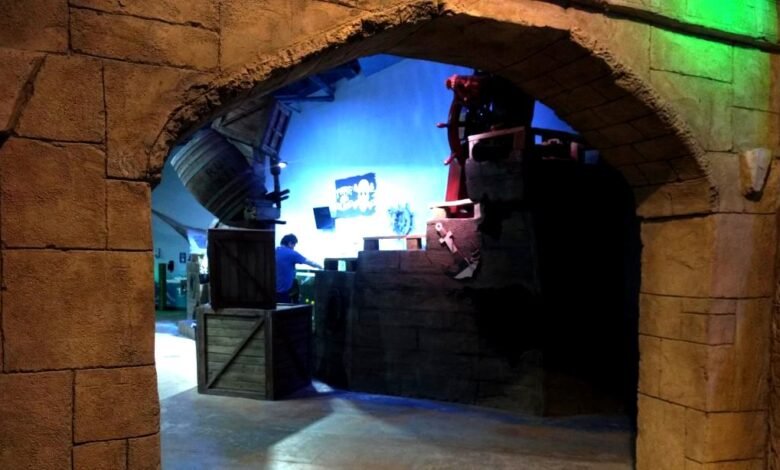
Introduction to seaquest fort worth
SeaQuest Fort Worth was once a unique entertainment and animal attraction located in Fort Worth, Texas. It opened in 2017 with the promise of providing interactive experiences with marine life and exotic animals, right inside the Ridgmar Mall. However, over time, its reputation became mired in controversy, ending in a dramatic closure that sparked widespread discussion about animal welfare, entertainment ethics, and the responsibilities of such facilities. In this article, we’ll explore the history, controversies, closure, public reactions, and the legacy left behind by SeaQuest Fort Worth
Introduction to SeaQuest Fort Worth
When SeaQuest Fort Worth first opened its doors, it was marketed as an immersive aquarium experience—a place where families could get up close with sea creatures, exotic animals, and interactive exhibits all under one roof. The concept was straightforward: bring the wonder of aquatic life and wildlife into the heart of Fort Worth in an engaging setting.
Located at Ridgmar Mall, this SeaQuest was part of a chain of interactive aquariums that operated in several cities across the United States. Visitors could view colorful fish, reptiles, birds, small mammals, and engage in feedings or touch certain animals under staff supervision. It aimed to blend education with entertainment, offering a memorable experience for kids and adults alike.
Despite its early appeal, however, the facility would soon draw negative attention due to troubling reports about its operations and treatment of animals. What was once seen as an exciting local attraction became a focal point of animal welfare concerns.
The Rise and Promise of Interactive Aquariums
Aquarium Tourism and Family Entertainment
Interactive aquariums like SeaQuest tapped into a growing trend beginning in the early 2000s: transforming static tank exhibits into immersive and participatory animal encounters. Instead of simply viewing fish behind glass, visitors could feed stingrays, touch reptiles, or watch animal keepers work up close.
SeaQuest Fort Worth’s model fit right into this trend. It marketed itself as family-friendly, educational, and fun, making it a go-to outing for local families, school groups, and tourists. The idea was that physical interaction with animals might foster appreciation and curiosity about wildlife.
The location inside a shopping mall also had strategic advantages—high foot traffic, easy access, and a novel attraction for pedestrians and shoppers. For the mall seaquest fort worth itself, SeaQuest was an anchor tenant meant to revitalize footfall and support surrounding businesses.
However, while the concept sounded promising on paper, the reality behind the scenes proved to be infinitely more complex.
Early Acclaim and Community Interest
During its early years, SeaQuest Fort Worth drew intrigue. Local news outlets and social media buzzed with photos of exotic animals and excited children feeding fish or staring at reptiles. Families often shared snapshots of their experiences, encouraging others to visit and see the aquatic displays for themselves.
For a time, it seemed like the aquarium offered something different from the traditional zoo or marine park. Without long road trips or major city travel, Fort Worth residents could have a unique animal encounter close to home. Some local educational programs even organized field trips to SeaQuest, using the exhibits to supplement science curricula.
At first glance, SeaQuest Fort Worth delivered on its promise of accessibility and standout experiences. But beneath the surface, deep issues were taking shape.
Emerging Controversies and Animal Welfare Issues
Reports of Poor Conditions
As SeaQuest Fort Worth grew in popularity, concerning reports began circulating about the conditions within the facility. Visitors and former employees started sharing troubling anecdotes about cramped enclosures, unsanitary tanks, and animals displaying signs of stress or discomfort.
In multiple inspections by the U.S. Department of Agriculture (USDA), SeaQuest Fort Worth received citations for violations of the Animal Welfare Act—a federal law designed to ensure minimum standards of care for animals in captivity. Inspectors documented issues such as overcrowded enclosures, excessive waste accumulation, and poor sanitation in both animal exhibit areas and food preparation spaces.
These findings raised serious questions about how well the animals were being cared for on a daily basis. In some cases, animals appeared confined in spaces that prevented normal movement, and enclosures were noted for hygiene concerns that could predispose animals to illness.
Veterinarians and animal care experts often emphasize the importance of space, cleanliness, and environmental enrichment. When facilities fall short in these areas, animal well-being can be compromised, leading to physical health problems and behavioral stress.
Whistleblower Accounts and Internal Concerns
Beyond official citations, the most damning revelations came from those who had worked inside SeaQuest Fort Worth. Several former employees stepped forward to share firsthand accounts of what they described as neglect, mismanagement, and poor animal care practices.
Whistleblowers reported incidents such as overcrowded tanks, inadequate water quality, and even instances where animals died due to what they believed were preventable conditions. In some cases, fish and even two nurse sharks reportedly perished, allegedly as a result of prolonged stress and poorly maintained environments.
These insider accounts resonated with many animal rights advocates, who felt that the conditions described were incompatible with ethically responsible animal care, especially for creatures brought in for educational and recreational purposes.
Public reaction intensified as these stories spread through local news outlets and advocacy groups, bringing national attention to the controversy
Public Safety Concerns and Injuries
Encounters That Went Too Far
Another troubling dimension to the SeaQuest Fort Worth story involved incidents of visitors being injured during animal interactions. At least on several occasions, animals in the exhibit were noted to have bitten or scratched visitors during supposed supervised encounters. In some cases, children were involved, which amplified public concern and media coverage.
Such safety incidents raised two major issues: whether the facility was providing adequate supervision and whether the animals being included in direct contact experiences were properly managed. Safety protocols for animal interactions are designed to protect both the animals and visitors, and when these fail, it creates risks that extend beyond simple entertainment value.
Animal bite incidents, particularly in attractions intended for families and children, can contribute to negative perceptions about how such facilities are run and whether current regulations are sufficient to safeguard the public.
Regulatory Oversight and Criticism
Criticism didn’t stop at animal welfare. Some regulatory observers questioned whether SeaQuest’s operational model was suitable for housing wild and exotic animals at all, especially within an indoor, non-traditional setting like a shopping mall.
Although the USDA oversees animal welfare compliance at facilities like SeaQuest, many argued that additional oversight was warranted, particularly given the complexity of caring for aquatic animals, exotic mammals, and reptiles under one roof.
Animal rights groups also pointed out that many SeaQuest locations—including the Fort Worth site—were not accredited by well-established zoological associations, which often enforce higher standards of care and exhibit maintenance.
This ongoing regulatory scrutiny and negative attention set the stage for a turning point in SeaQuest Fort Worth’s history.
The Closure of SeaQuest Fort Worth
Pressure from Advocacy Groups
The final chapter in SeaQuest Fort Worth’s operation came amid mounting complaints and organized pressure from animal rights advocates, most notably People for the Ethical Treatment of Animals (PETA). In August 2024, PETA filed a formal complaint with the Fort Worth Police Department based on reports from former employees detailing animal deaths, cramped conditions, and welfare concerns.
In response, local authorities opened an investigation into the allegations. While the police later indicated that they were not the appropriate agency to pursue the case, the momentum generated by the complaint led to increased public awareness and further scrutiny from federal regulators.
Over the months that followed, PETA and other advocacy groups continued to draw attention to the situation, organizing campaigns, erecting billboards, and urging the public to avoid visiting the facility.
This sustained activism contributed to the eventual outcome: SeaQuest Fort Worth closed permanently in October 2024.
Closing the Doors Permanently
By the end of October 2024, SeaQuest Fort Worth had removed its online presence, stopped selling tickets, and posted signs indicating that it was closed to the public. The closure marked an abrupt end to what had once been a promising local attraction.
Reports following the closure indicated that the facility’s parent company later filed for Chapter 11 bankruptcy, further solidifying the end of the Fort Worth location’s troubled journey.
Community Reactions and Aftermath
Local Sentiments
Reactions in Fort Worth were mixed but often deeply emotional. Some residents who had initially visited SeaQuest recalled memorable family outings and educational experiences. Others, however, expressed relief or even joy that the facility had closed, citing concerns about animal welfare and safety.
Local community members debated the balance between providing accessible wildlife experiences and ensuring ethical care for animals, with many agreeing that the latter must always take precedence.
A Broader Debate on Animal Attractions
The closure of SeaQuest Fort Worth sparked conversations beyond the local community. Animal welfare organizations used the case to highlight broader issues related to wildlife attractions, interactive animal exhibits, and the responsibility of businesses that keep animals for public viewing.
These discussions raise important questions about how society should regulate animal exhibits, what constitutes ethical treatment, and how to ensure transparency and accountability in such operations.
The SeaQuest Fort Worth story became more than just the tale of one aquarium—it became a case study in the complexities of animal care, entertainment, oversight, and public accountability.
Alternatives and the Future of Animal Experiences in Fort Worth
Although SeaQuest Fort Worth has closed, there are other avenues for people in the region to enjoy marine and wildlife experiences responsibly.
One notable option is SEA LIFE Grapevine Aquarium, an accredited aquarium located at Grapevine Mills Mall. With robust exhibits, regulated educational programs, and a focus on conservation, it represents a different model of animal attraction—one that emphasizes professional care and enrichment for the animals.
Another local option is Fort Worth Aquarium, a smaller establishment specializing in fish and aquatic life, ideal for hobbyists and casual visitors.
Additionally, opportunities such as visiting The Great Barrier Reef and other larger animal parks or aquariums provide ethical, educational experiences for families and animal lovers alike.
These alternatives demonstrate that people can responsibly enjoy and learn from animal exhibits without compromising welfare or safety standards.
Conclusion:
The story of SeaQuest Fort Worth is complex and filled with important lessons. What started as an ambitious local attraction became a cautionary tale about how wildlife is cared for, how animal welfare should be prioritized, and how transparency matters in public-facing animal experiences.
While its closure disappointed some and relieved others, it ultimately served as a catalyst for deeper conversations about animal ethics, regulatory oversight, and the responsibility we have toward the creatures with whom we share these spaces.