Low Taper Straight Hair The Complete Expert Guide to a Clean, Modern, and Effortless Style

Introduction to low taper straight hair
Understanding the Low Taper Straight Hair Cut
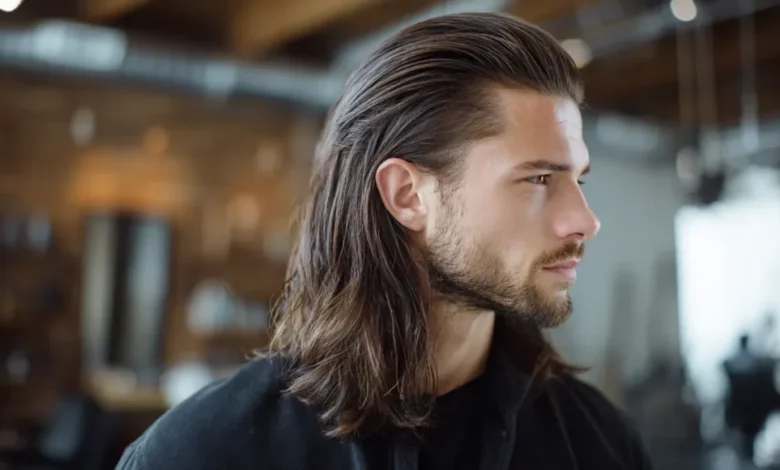
A low taper straight hair cut is one of those hairstyles that quietly does everything right. It is clean without looking severe, stylish without trying too hard, and versatile enough to fit almost any lifestyle. At its core, the low taper refers to the gradual shortening of hair near the neckline and around the ears, while the top remains longer and neatly shaped. When paired with naturally straight hair, the result is crisp, structured, and incredibly easy to manage.
Straight hair gives this cut a particular advantage. Because straight strands lie flat and reflect light evenly, every blend and transition in the taper becomes more visible. That means a well-done low taper looks sharp and precise. The fade isn’t dramatic or flashy; instead, it feels professional and smooth. It’s the kind of haircut that works just as well in a boardroom as it does at a casual weekend hangout.
What makes the “low” aspect important is the starting point of the taper. The fade begins just above the ears and neckline rather than higher on the head. This keeps most of the natural thickness intact. You still get clean edges, but you don’t lose too much volume. For people who want a subtle, refined finish rather than a bold skin fade, this is ideal.
Over the past few years, this haircut has quietly become a staple among barbers and stylists. It’s frequently recommended because it flatters many face shapes, grows out nicely, and requires minimal daily styling. If you want something timeless that doesn’t go out of trend every season, the low taper straight hair cut is a safe and smart choice.
Why Straight Hair Works Perfectly with a Low Taper
Straight hair and a low taper go together low taper straight hair almost naturally. The smooth texture makes it easier for barbers to create clean lines and seamless transitions. With curly or wavy hair, the fade can sometimes look textured or irregular. Straight hair, on the other hand, highlights the precision of the taper in a very satisfying way.
Another benefit is manageability. Straight hair is generally easier to comb, part, and style. When the sides are tapered low, there’s less bulk around the ears and neckline, which reduces puffiness and flyaways. The result is a polished look that stays neat even without much effort.
Straight hair also holds structured styles better. Whether you prefer a slick back, side part, quiff, or simple comb-over, the longer top section works beautifully with straight strands. You don’t have to fight your natural texture. Instead, you work with it, which makes your morning routine faster and less frustrating.
Finally, the shine factor matters. Straight hair reflects light more evenly, which gives the cut a healthy, groomed appearance. When paired with a clean taper, this shine enhances the overall aesthetic. It looks intentional and well-kept rather than messy or accidental.
Key Features That Define a Low Taper Straight Haircut
To truly understand this style, you need to recognize its defining elements. First is the gradual fade around the sides and back. The taper isn’t harsh or sudden. It transitions smoothly from longer hair into shorter lengths near the neckline. This soft blending is what gives the cut its sophisticated vibe.
Second is the preserved volume on top. Unlike high fades that remove a lot of hair from the sides, the low taper keeps the majority of your hair intact. This creates low taper straight hair balance. You get neat edges without sacrificing fullness, which is especially important for people with thinner or fine straight hair.
Third is the clean neckline and sideburns. A proper low taper includes sharp detailing around these areas. This small detail makes a big difference. Even if the rest of your hair grows out slightly, those clean edges keep you looking tidy for longer.
Lastly, versatility defines the cut. You can style the top long or short, textured or sleek. The taper simply acts as a foundation. Think of it as a frame that enhances whatever style you choose rather than dictating one specific look.
Popular Low Taper Styles for Straight Hair
There isn’t just one way to wear a low taper with straight hair. In fact, the variety is one of the biggest reasons people love it. You can customize it based on your personality, job, and grooming habits.
A classic option is the side part with a low taper. This style looks professional and timeless. The clean part line combined with the subtle fade creates a gentlemanly appearance that never goes out of fashion. It’s perfect for office environments or formal low taper straight hair settings.
Another favorite is the textured crop with a low taper. Here, the top is slightly shorter and styled forward with a bit of movement. This gives off a modern, relaxed feel. It’s easy to maintain and works great if you prefer low-effort styling.
For a bolder look, you might try a quiff or pompadour on top. Straight hair lifts easily with the right product, and the low taper keeps the sides low taper straight hair controlled so the height doesn’t look overwhelming. This combination feels stylish and confident without being over the top.
Lastly, the simple natural look is underrated. Just leave the top medium length and comb it casually. The low taper does all the work by keeping the edges sharp. Sometimes the simplest approach looks the most refined.
How to Ask Your Barber for a Low Taper Straight Haircut
Communication is everything when it comes low taper straight hair to haircuts. Even a great barber can’t read your mind, so being clear about what you want helps a lot. Start by specifically asking for a “low taper fade” rather than just a fade. That word “low” makes a huge difference in placement.
Explain how much length you want on top. Do you prefer short and neat or longer and styled? Straight hair can look very different depending on the length, so this detail matters. Bringing a reference photo can also help avoid misunderstandings.
Mention how subtle you want the taper. Some people like it barely noticeable, while others want a slightly tighter finish. Clarifying this ensures you get the exact balance you’re after. You can also ask for a clean neckline and natural sideburns for a more low taper straight hair polished look.
Finally, ask your barber for styling tips. They know your hair type and cut best. A quick conversation about products and daily maintenance can save you a lot of trial and error later.
Daily Styling Tips for Low Taper Straight Hair
Styling this haircut is refreshingly simple. After washing your hair, towel-dry gently and apply a lightweight product. Straight hair can get greasy quickly, so avoid heavy creams or waxes that weigh it down.
If you like volume, use a blow dryer and a round brush or your fingers to lift the roots. This gives your top section shape without needing tons of product. A small amount of matte clay or light pomade usually does the trick.
For a sleeker look, comb your hair into low taper straight hair place while it’s slightly damp and use a light hold gel or pomade. This works great for side parts or slick backs. The taper keeps everything looking sharp, even with minimal effort.
The key is moderation. Straight hair shows excess product easily. Start with a small amount and add more only if necessary. This keeps your style natural and clean rather than stiff or greasy.
Maintenance and Upkeep
One of the best things about a low taper is how well it grows out. Even after a few weeks, it still looks presentable. However, regular trims keep low taper straight hair it at its best. Most people find that visiting the barber every three to four weeks maintains that fresh, clean appearance.
Between cuts, pay attention to your neckline and sideburns. If you’re comfortable, you can lightly tidy them at home with a trimmer. This small touch keeps your haircut looking intentional rather than messy.
Washing routines matter too. Straight hair tends to get oily faster, so choose a lightweight shampoo that cleans without stripping your scalp. Overwashing can cause dryness, while underwashing can make the hair look flat and greasy.
Conditioning is also important. Healthy hair reflects light better and styles more easily. A simple conditioner keeps your strands smooth and manageable, enhancing the overall look of your cut.
Who Should Try a Low Taper Straight Haircut?
The beauty of this haircut is that it suits almost low taper straight hair everyone. Students, professionals, athletes, and creatives can all wear it comfortably. It’s subtle enough for conservative settings but stylish enough to feel modern.
Face shape rarely becomes an issue because the taper doesn’t drastically change your silhouette. The longer top can be adjusted to balance your low taper straight hair features. For example, extra height elongates round faces, while a flatter style complements longer faces.
It’s also perfect for people who want a low-maintenance grooming routine. If you don’t want to spend 20 minutes styling your hair every morning, this cut works with minimal effort. You can literally comb it and go.
Even if you’re new to experimenting with hairstyles, this is a safe starting point. It’s hard to go wrong with a clean, classic taper.
Conclusion:
Trends come and go, but some haircuts quietly stick around for decades. The low taper straight hair cut is one of those timeless styles. It balances neatness with personality, structure with flexibility, and modern appeal with classic charm.
What really sets it apart is practicality. You don’t low taper straight hair need complicated tools or endless products to make it look good. It’s designed to enhance your natural hair rather than fight against it. That’s why so many people stick with it once they try it.