Yeezy SupplyThe Rise, Hype, and Future of Kanye West’s Most Talked-About Retail Platform

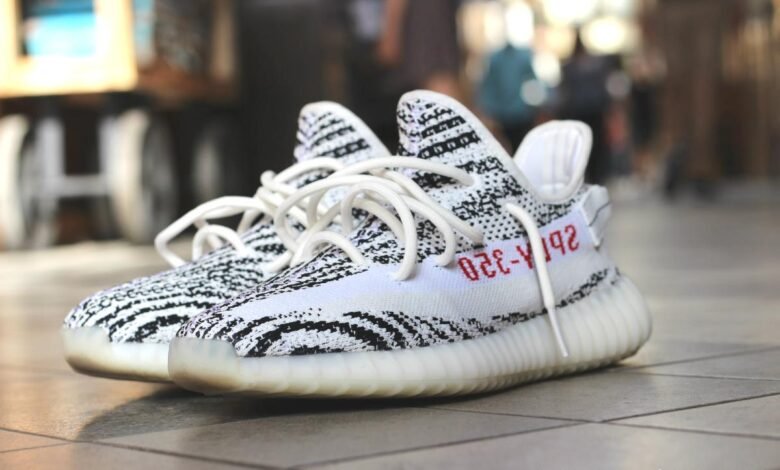
Introduction to yeezy supply
When people talk about sneaker culture today, it’s almost impossible not to mention Yeezy Supply. What started as a relatively simple online storefront evolved into one of the most influential and unpredictable retail platforms in streetwear history. Unlike traditional sneaker retailers that relied on malls, physical stores, or third-party marketplaces, Yeezy Supply took a direct-to-consumer route. It became the digital home for Kanye West’s Yeezy brand, acting as both a store and a stage for product launches.
In the early days, Yeezy products were primarily sold through collaborations with Adidas and distributed via major retailers like Foot Locker and boutique sneaker shops. But Kanye’s vision was always bigger than sharing shelf space. He wanted ownership of the experience, from design to checkout. That desire for control eventually led to the creation of Yeezy Supply, a standalone platform that allowed the brand to dictate pricing, releases, and storytelling without outside interference.
What made Yeezy Supply feel different was the atmosphere. It wasn’t just a website where you clicked “buy now.” It felt like an event every time a drop happened. The site would change layouts, introduce countdowns, or randomly open access to certain users. This unpredictability added excitement, and in a weird way, frustration became part of the fun. People weren’t just shopping—they were participating in a cultural moment.
Over time, Yeezy Supply grew from a niche store into a central hub for sneakerheads worldwide. It represented a new kind of retail philosophy: cut out the middleman, speak directly to your audience, and build hype through scarcity. That model has since inspired countless brands, but Yeezy Supply was one of the first to make it feel mainstream and powerful.
The Hype Machine: Why Every Yeezy Supply Drop Feels Like an Event
If you’ve ever tried to buy something from Yeezy Supply during a launch, you know it’s not a normal shopping experience. It’s more like preparing for a concert ticket sale or a gaming console release. You set alarms, open multiple tabs, and refresh the page obsessively. That intensity is no accident. Yeezy Supply mastered the art of turning product releases into digital spectacles.
Scarcity plays a huge role in this. Limited quantities mean not everyone can win, and that exclusivity fuels demand. Even people who weren’t initially interested suddenly want the product simply because it’s hard to get. It’s classic psychology, but Yeezy Supply applies it with precision. Drops often come without much warning, or with cryptic announcements that make fans scramble for information.
Another factor is the brand identity itself. Kanye West’s influence on music, fashion, and pop culture gave Yeezy Supply an almost celebrity aura. Buying a pair of Yeezys felt like owning a piece of a larger creative movement. The shoes weren’t just footwear; they were statements. That emotional connection made every release feel more meaningful than a typical retail purchase.
Then there’s the shared online experience. Social media explodes during Yeezy Supply launches. People post screenshots of waiting rooms, celebrate successful checkouts, or vent about getting stuck in queues. It becomes a collective ritual. In a way, the chaos is part of the appeal. Even when you lose, you feel like you were part of something bigger than just buying shoes.
Website Design, Technology, and the Unique Buying Experience
From a technical perspective, Yeezy Supply doesn’t operate like a standard e-commerce store. The design often feels minimal, sometimes almost barebones, but that simplicity is intentional. Instead of cluttering the page with categories and filters, the site typically focuses on the drop itself. When a launch is live, it’s front and center, impossible to miss.
One of the most recognizable features is the waiting room system. Before you can even browse or buy, you’re placed in a virtual queue. It’s both fair and nerve-wracking. You don’t know your position, and you can’t predict whether you’ll get through. This system helps manage traffic and prevent crashes, but it also heightens anticipation. Every second feels like it matters.
The checkout process has also evolved over time. Early Yeezy Supply drops were notorious for glitches, bots, and endless refreshes. Over the years, the platform improved its infrastructure, adding better bot protection and smoother payment options. Still, it never feels completely effortless, and that slight friction keeps the experience feeling exclusive rather than routine.
What’s interesting is how the technology reinforces the brand’s personality. The site doesn’t try to be polished like luxury retailers or friendly like big-box stores. It feels raw and direct, much like Kanye’s creative style. That alignment between tech and identity makes Yeezy Supply memorable. You don’t just remember what you bought—you remember how you got it.
Yeezy Supply’s Impact on Sneaker Culture and Streetwear
Yeezy Supply didn’t just sell products; it changed how sneaker culture works. Before platforms like this, most releases depended on physical lines outside stores or raffles at local shops. Yeezy Supply pushed everything online and proved that digital-first launches could generate just as much hype, if not more. That shift influenced nearly every major brand that followed.
Resale culture exploded alongside Yeezy Supply’s rise. Because drops were limited and demand was sky-high, secondary markets thrived. People who managed to secure pairs could flip them for double or triple the price. While controversial, this resale ecosystem made Yeezy sneakers feel even more valuable. They weren’t just shoes; they were assets.
The platform also blurred the line between fashion and streetwear. Yeezy Supply didn’t only sell sneakers. It offered apparel, slides, foam runners, and minimalist basics that matched the Yeezy aesthetic. This cohesive approach helped establish Yeezy as a full lifestyle brand rather than a simple footwear line. Fans could dress head-to-toe in the same muted, futuristic vibe.
Perhaps most importantly, Yeezy Supply democratized access. You didn’t need to live near a trendy boutique in New York or Los Angeles. Anyone with an internet connection had a chance. Sure, it wasn’t always easy, but the opportunity was there. That global reach expanded sneaker culture beyond local communities and made it truly worldwide.
Challenges, Controversies, and the Uncertain Future of Yeezy Supply
Of course, Yeezy Supply hasn’t had a smooth journey. The brand’s close connection to Kanye West means that public controversies inevitably affect the platform. Changes in partnerships, especially the highly publicized split with Adidas, created uncertainty about product availability and the future direction of the brand. For fans, it sometimes felt like the ground was constantly shifting.
Logistical issues have also been a recurring challenge. Delayed shipments, canceled orders, and customer service complaints occasionally overshadowed the excitement of drops. When expectations are sky-high, even small problems feel massive. Running a hype-driven platform is tricky because every mistake becomes amplified across social media.
At the same time, the fashion industry itself is changing. Consumers are becoming more conscious about sustainability, pricing, and overconsumption. The constant-drop model that Yeezy Supply helped popularize may not always align with these new values. The brand will likely need to adapt, balancing exclusivity with responsibility if it wants to stay relevant.
Still, it’s hard to imagine Yeezy Supply simply fading away. The platform has too much cultural weight. Whether it evolves into something more stable, partners with new manufacturers, or reinvents its release strategy, its influence is already cemented. Even if the format changes, the blueprint it created will continue shaping how brands sell products online for years to come.
Conclusion:
At the end of the day, Yeezy Supply is more than just an online shop. It’s part retail platform, part marketing experiment, and part cultural symbol. It represents a moment when a musician-turned-designer challenged traditional fashion systems and built something that felt entirely his own. Love it or hate it, you can’t deny its impact.
What makes it fascinating is how emotional the experience is. People don’t just buy Yeezys—they chase them. They plan their day around drops, celebrate wins, and complain about losses. Very few retail platforms create that kind of passion. That alone shows how different Yeezy Supply is from ordinary stores.
From its minimalist design to its chaotic launches, everything about Yeezy Supply reflects a bold, unconventional mindset. It broke rules, took risks, and forced the industry to pay attention. Even competitors quietly borrowed ideas from its playbook, from limited releases to direct-to-consumer sales models.